Quality canton top Synthetic Turf Installation
Quality canton top Synthetic Turf Installation
Blog Article
Fake Grass Installation: The Nature-Friendly Resolution for Your Lawn
Installing artificial grass presents a practical alternative for property owners seeking a sustainable yard choice. Its resilience and low maintenance requirements offer substantial advantages over conventional grass. As water conservation becomes increasingly critical, artificial turf provides an effective response to ecological issues. However, the choice to set up synthetic turf requires various factors that deserve careful examination. What elements should homeowners consider before making the transition to this eco-friendly related information choice?
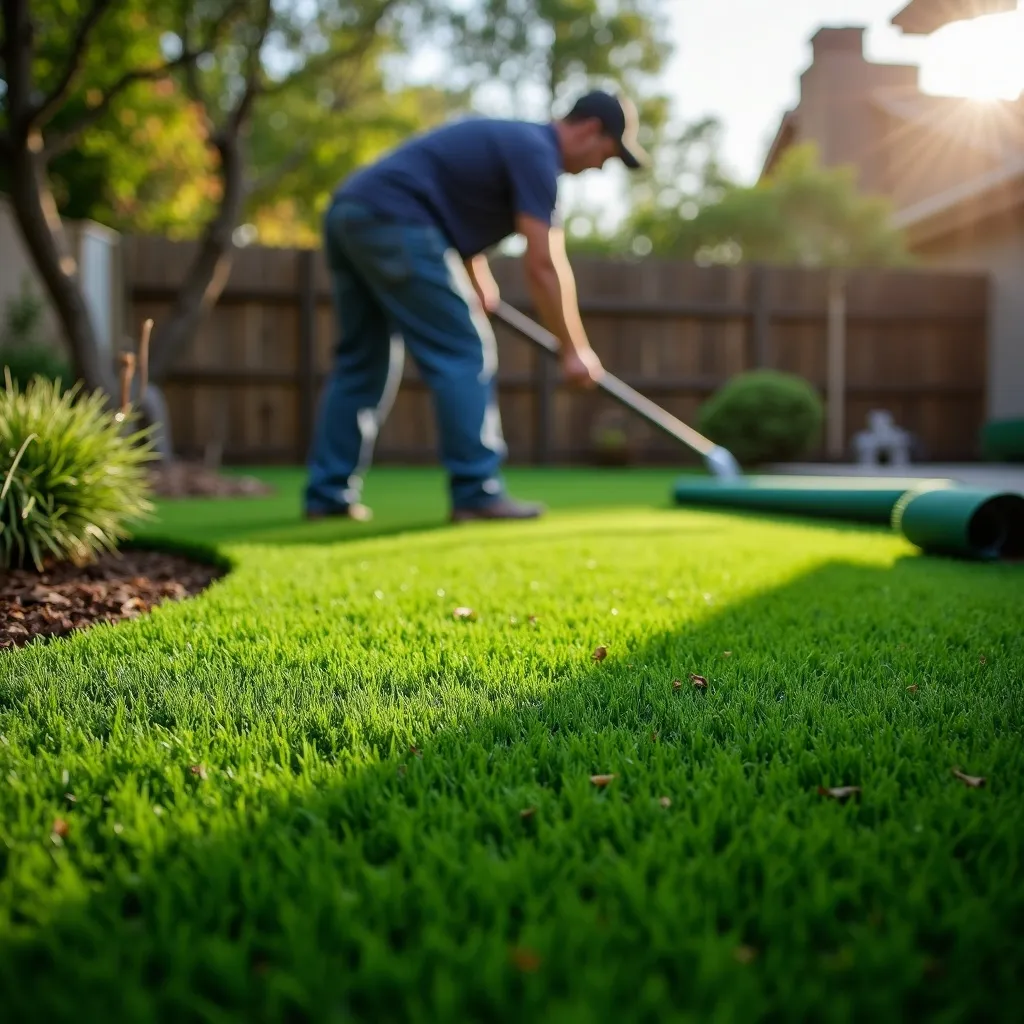
Grasping Synthetic Turf: Main Attributes and Advantages
Synthetic turf has grown into a popular substitute to natural grass, offering substantial benefits for assorted applications. One of its core strengths is durability; synthetic grass can withstand heavy foot traffic and extreme weather conditions without deteriorating. This resilience makes it an outstanding choice for sports fields, playgrounds, and residential lawns.
Furthermore, synthetic turf requires minimal upkeep when set against natural grass. There is no requirement for mowing, watering, or fertilizing, generating considerable time and cost savings for homeowners and facility managers alike.
In addition, synthetic turf is planet-friendly, as it preserves water resources and negates the need for injurious pesticides and chemical fertilizers.
Modern advancements have enabled synthetic turf to replicate the appearance and feel of natural grass, offering aesthetic appeal without the drawbacks. These features combined make synthetic turf a viable and attractive option for a wide range of uses.
Installing Synthetic Turf: A Step-by-Step Guide
When assessing the advantages of synthetic turf, the next natural step is understanding the installation process.
The opening stage entails site preparation, which encompasses removing the area of present grass, weeds, and debris. Next, a foundation of crushed stone or gravel is positioned to guarantee proper drainage and durability. Following this, a protective fabric is applied to inhibit unwanted growth.
After creating the base, the synthetic turf rolls are laid out and arranged, allowing for proper alignment. The edges are fastened with stakes or adhesive, assuring a seamless appearance.
Once positioned, a layer of fill substance, such as rubber or sand, is distributed uniformly to offer stability and weight. Finally, the turf is brushed to lift the fibers and create a realistic appearance.
Following these procedures produces a sturdy, easy-care lawn that enhances both aesthetics and usability.
Why Opt for Synthetic Turf? Environmental and Practical Benefits?
Selecting artificial grass offers numerous practical and environmental advantages that make it an attractive option for numerous homeowners and businesses. One significant advantage is water conservation; artificial turf removes the requirement for routine irrigation, which is especially advantageous in arid regions.
Moreover, it lowers the dependence on toxic pesticides and fertilizers, fostering a more vibrant ecosystem.
From a practical perspective, artificial grass requires reduced maintenance, conserving resources and costs on grass maintenance. It stays green and lush throughout the year, providing a consistent visual attractiveness without seasonal fluctuations.
In addition, synthetic turf is resilient, capable of tolerating heavy foot traffic and various weather conditions, making it well-suited for both residential and commercial applications.
These attributes not only boost the utility of outdoor spaces but also support long-term sustainability, rendering synthetic turf a convincing selection for green-minded customers.
Critical Things to Think About for Synthetic Turf Installation
Several considerations must be assessed before commencing synthetic turf installation. First, it is important to assess the planned purpose of the area. Various types of synthetic turf are engineered for particular activities, such as sports or residential grounds design.
Second, the area's climate should be evaluated; some materials may endure heat better than others.
Site readiness is another important aspect, requiring proper drainage and a uniform surface to assure longevity and effectiveness. Furthermore, likely regional requirements or homeowners' association standards may impact installation choices.
Picking the right infill material is important for resilience and coziness, as it influences both the look and feel of the turf.
Finally, selecting a reputable contractor can greatly influence the quality and durability of the installation. By considering these factors, property owners can create well-researched decisions that most effectively meet their needs and enhance their exterior spaces.
Maintaining Your Artificial Turf Lawn
Your synthetic turf lawn demands a reliable maintenance schedule to assure both its longevity and appearance.
Regular upkeep includes addressing any spots and applying repair techniques as needed.
Adhere to a standard cleaning program
A consistent cleaning schedule is crucial for maintaining the look and durability of synthetic turf lawns. Regular maintenance helps avoid debris buildup, reduces odors, and improves aesthetic appeal.
Homeowners should strive to clear leaves, twigs, and other organic materials at least once a week, especially during fall. Additionally, rinsing the turf with water monthly can help eliminate dust and allergens, ensuring a fresh look.
For busy zones, more frequent attention may be required to maintain the turf's integrity. In winter seasons, frozen precipitation should be carefully removed to prevent harm to the blades.
Finding and Fix Pointers
Pinpointing and correcting issues right away is critical for sustaining the strength of synthetic turf lawns. Regular inspections should be conducted to uncover marks of damage, such as ruptures, fraying, or sloped surfaces.
Upon noticing a problem, swift action is imperative. Minor tears can be repaired with specialized adhesive or turf tape, ensuring a secure bond without compromising appearance. For larger issues, professionals may be required to replace sections of turf.
Furthermore, maintaining the base material intact is vital; any displacement can lead to more serious problems. Frequent brushing helps maintain an even appearance and can also identify underlying problems.
Expense Comparison: Synthetic Turf vs. Natural Grass
When evaluating the costs of artificial grass to natural grass, upfront installation costs are quite important.
Furthermore, prolonged maintenance costs can substantially affect the complete financial burden of each option.
A in-depth review of these elements demonstrates crucial information for prospective buyers.
Upfront Setup Expenses
Initial installation costs are crucial in the selection process for homeowners and municipalities evaluating synthetic turf versus natural grass.
Normally, the upfront costs for synthetic turf can range from $5 to $20 per square foot, based on quality and installation complexity. In contrast, natural grass installation usually costs between $1 to $2 per square foot.
However, the overall investment in organic turf can increase considerably due to soil preparation, watering systems, and continuous upkeep requirements.
Homeowners and municipalities must balance these upfront expenses against the potential long-term benefits of artificial grass, such as decreased water consumption and lower maintenance requirements.
Fundamentally, recognizing these costs contributes to making thoughtful, sustainable landscaping options.
Sustained Maintenance Expenditures
Continuous maintenance expenses substantially drive the overall cost-effectiveness of synthetic turf compared to natural grass.
Upkeeping natural grass entails continuous monetary outlays, featuring regular cutting schedules, fertilizer application, adequate watering, and pest prevention measures, which can compound substantially over time. Homeowners may disburse hundreds to thousands of dollars each year to preserve a lush turf area.
In comparison, artificial grass demands low maintenance, largely periodic brushing and rinsing to remove dirt and particles. Though the early financial commitment in artificial grass might be elevated, the lowered extended-term expenditures establish it as an attractive substitute.
Additionally, artificial grass removes water bills linked to irrigation, improving its cost-effectiveness over time.
Ultimately, the monetary benefits of artificial grass care can result in substantial savings for property owners over time.
Dispelling Typical Misconceptions Regarding Synthetic Turf
Although numerous individuals maintain misconceptions about synthetic turf, grasping the truth can lead to informed choices. One common myth is that synthetic turf is harmful to the ecosystem; however, many products are made from recycled materials and are engineered to be durable, minimizing waste.
Another widespread belief is that synthetic turf requires extreme heat management, but modern installations often feature effective cooling technologies that reduce temperature issues.
Moreover, some skeptics assert that synthetic turf fosters synthetic chemicals; yet, innovations in materials have greatly limited the need for damaging filler materials.
Ultimately, the notion that synthetic grass cannot support biodiversity is misleading; many installations can coexist with native plants, creating habitats for local wildlife.
Frequently Inquired About Questions
What Is the Life Expectancy of Synthetic Turf Before Needing Replacement?
Synthetic turf typically remains viable between 15 to 25 years before needing replacement. Aspects influencing longevity include caliber, upkeep practices, and climate conditions, which can substantially affect its durability and overall performance over time.
Dogs and Cats and Synthetic Turf: Is It Sound for Them?
Pets are able to safely use synthetic turf, as it is engineered to be resilient and safe. Periodic attention guarantees freshness, making it a functional option for pet owners seeking a simple-to-maintain, fun outdoor space for their animals.
Will Artificial Grass Absorb Heat When the Weather is Sunny?
Certainly, artificial grass does absorb warmth in sunny weather, markedly increasing surface temperatures. This can result in strain for both people and animals. Frequent watering or selecting lighter-colored grass can help diminish this heat retention.
What Possibilities Are Offered for Artificial Grass Pigments and Patterns?
There are synthetic turf varieties featuring tones such as rich greens, warm browns, and specialty shades. From authentic mimicry of natural grass to ornamental designs, types include a variety of aesthetic preferences and functional needs.
What Impact Does Synthetic Turf Have on Local Wildlife?
Artificial turf can interfere with local wildlife by altering ecosystems and decreasing natural food sources. Its inflexibility may discourage certain animals from nesting and foraging, potentially leading to decreased biodiversity in the impacted regions.
Report this page